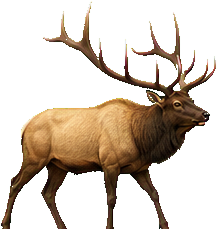
Yellowstone Elk
Most abundant large mammal — September bugling rut.
Overview
Elk (Cervus canadensis) graze the northern range in large herds and are the most-seen big animal in the park. The northern Yellowstone elk herd is among the most intensively studied in the world.
Elk are prey for wolves and a major food source for grizzlies (especially calves in spring). The herd's size has fluctuated with predation, weather, and hunter harvest since the 1990s, but it remains substantial and closely monitored.
Where to find them
- Mammoth Hot Springs: Elk bed in the village year-round — reliable but keep distance.
- Northern range (Lamar to Tower): Large herds on the valley floor.
- Madison area: Fall rut watching for the Madison herd.
When to look
Year-round. The September rut (bugling, harems, sparring) is the signature event. Dawn and dusk on the meadows.
⚠️Stay at least 25 yd away
Frequently asked questions
When is the elk rut in Yellowstone?+
September into early October. Bulls bugle to advertise fitness and challenge rivals, gather harems of cows, and spar antler-to-antler. The bugling carries for miles at dawn and dusk.
Did wolves wipe out the elk herd?+
No. Wolf reintroduction coincided with a decline, but research shows multiple causes — drought, harvest outside the park, habitat, and predation by bears and wolves. The herd remains substantial and is closely monitored.
Where is the best place to see elk?+
The northern range (Lamar to Tower) for herds, and Mammoth Hot Springs year-round. The Madison area is reliable in fall for the rut.
Sources & data notes
- Elk data is drawn from official NPS, USGS, and NOAA sources catalogued in our source registry. Observer-submitted sightings are not published on this public guide.
- Elk carries dedicated official data (NPS ecology / management reports).
- NPS Yellowstone elk ecology — National Park Service (Official elk trend/context page; raw counts are minimum counts with known sightability caveats.)
- NPS Northern Yellowstone Elk report — National Park Service (Official historical/context report for northern Yellowstone elk; PDF reference, not public sighting points.)
- USGS annual winter elk movements in the Greater Yellowstone Ecosystem 2001-2015 — U.S. Geological Survey (GPS-collar annual movement summaries for GYE elk; mostly female elk and not public sighting points.)
Spotted something off, or want a deeper dive? Every claim above links to its original source — look for the ↗ markers and the Sources section.